My dissertation Making Chinese Orthodox explored the Chinese Orthodox Church as a site of interaction between Russian and Chinese states. Page 99 comes at the end of the first full chapter, which examined the entanglement of multilingualism and religious confession in the first contact between Russian and Qing Chinese empires (17th-18th centuries). After 1720, at the end of this opening era, Qing texts began to refer to Russian Orthodox priests as lamas, a term otherwise reserved for Tibetan or Mongolian Buddhist clerics. Prior to this, Orthodox Christianity was not distinguished from Catholicism. This change in nomenclature was never formally announced, but followed the conclusion of the Rites Controversy and its partial ban on Catholicism in Qing China. Russian Orthodox priests appear to have been quietly reclassified as lamas in order to exempt them from this ban. This special treatment emerged in the context of an emerging diplomatic system that provided for the regular rotation of Russians through Beijing. Page 99 elaborates what I argue is the reason for this shift:
a major motivation had to be the necessity of securing a renewable and controllable source of language contact to train interpreters and translators to work directly between Manchu and Russian. For the [1689 Treaty of] Nerchinsk generation, this work had been performed by native Russian speakers of the Russian Company.
The Russian Company in the Qing’s Eight Banners organization was introduced earlier in the chapter. Originally a group of Siberian Cossacks who left Russia to enter Qing service, they subsequently became low-ranking hereditary members of the Qing’s Manchu elite. The normalization of Russian-Qing relations after 1689 and the first attempt to create a territorial border meant that these kinds of transfers were no longer officially permitted by either side. The Russian Company members’ intermarriage with other Eight Banner families in Beijing led to rapid language shift. Within a generation, members of the Russian Company did not speak or read Russian, though they retained nominal adherence to Orthodox Christianity along their patriline (as was the custom for Manchu family religion). A handful of Orthodox priests were dispatched from Russia on 10 year tours of duties to provide pastoral care for these Russian Company families – primarily life cycle ritual and annual festivals like Pascha (Easter).
Much like their designation as lamas, this pastoral care was partly pretext. The driving motive appears to have been to engineer situations of language contact and socialization. Why was it necessary to work directly between Manchu and Russian? Why not communicate in Mongolian, for instance, which was spoken and written by subjects in both empires? Neither the Russian nor Qing elites trusted Mongols, who retained a great deal of autonomy in this period. Instead, agents of both states sought to rely on kinds of persons whose social reproduction and personal survival were both dependent upon the state. A key tool in this regard was neglect. The salaries given to the Russian visitors in Beijing were woefully insufficient, so over a decade of poverty, Russian priests often found themselves moonlighting as assistants to the Qing’s Russian translators, as the translators’ job required a competence in Russian they did not possess and had no means to acquire. Surprisingly, this system served for generations as the engine of linguistic expertise enabling high-level official communication between the Russian and Qing empires, a diplomatic system that preserved peace between the two empires for the better part of two centuries. The simultaneously ad-hoc and complexly institutionalized character of these practices offer a helpful illustration of the seemingly paradoxical nature of imperial rule—a mix of autocratic will, bureaucratic precedent, and spontaneous self-organization that could be both homogenizing and diversifying at the same time.
Jiarui Sun:. Throughout the book you have emphasized that New Life, the psychospiritual self-development program you studied, did not “have any intentions of politicizing or otherwise developing participants’ social or political engagement” but you believe the participants’ experiences nevertheless open up possibilities to show how existing systems of power may potentially be interrogated or reproduced. What led you to such a seemingly apolitical site when you are clearly very much concerned with issues of social justice and unequal power dynamics in China?
Sonya Pritzker: New Life is not an explicitly politicized space, yet my observation is that—for some participants at least—the kinds of group exercises and self-directed interrogations conducted there generate provocative encounters and experiences that afford reconsideration of hegemonic systems and structures. My short answer for why I chose such an apolitical site: I subscribe to the notion that there is absolutely nothing that is not political.
The longer answer relates to the way that directionality works in ethnography. It is often imagined that we formulate our interests as intentions that we write up in proposals to conduct research in sites where we imagine we will find communities and practices corresponding to those interests and commitments. Then we go do research and write it all up in a process that further bolsters our interests and makes us experts in the topic. But in reality, it also often moves in the other direction: our research in certain sites and with certain communities and individuals moves us to discover and/or more deeply refine our interests and value commitments. That is certainly what happened with this research: it was, more than anything, the participants who pushed me to reframe my analysis in terms of the possibility that self-development work, especially in a group context, invites an interrogation of systems of power as they exist within the self. Time was also a factor. A lot happened between 2014, when I began the research, and the publication of the book in 2024, including multiple collaborations with colleagues in anthropology and related fields and the COVID-19 pandemic. The pandemic in particular pushed me to consider the intimacy of the political at a whole new scale. The final book manuscript was also deeply influenced by my current research on the Living Justice Project, which began in 2020 and which focuses on the theories and practices in “embodied social justice”(see, for example, brown 2017, Johnson 2018, Haines 2019, Menakem 2017, Hemphill 2024). All of these directly influenced the final shape that the book took on
Jiarui Sun:In the book, you mention that many of the sentiments and “affect” you discussed are not explicitly articulated–either because they cannot be said (that is, as public secrets) or they are too ambiguous. What, then, were/are your strategies when it comes to ethnographically identifying and analyzing affect and what do you think makes it important for ethnographers to pay attention to such subtle, implicit, yet nevertheless deeply social experiences?
Sonya Pritzker: My strategy for studying affect is firmly based in the perspective, in linguistic anthropology, that affect/emotion is not emergent in interaction. People may or may not use words, but interaction always includes tone of voice, gesture, prosody, rhythm, and embodied engagement with the world of object and non-human others, to name just a few (see for example Nakassis 2016, Goodwin 2018, Pritzker 2020). It is not therefore terribly challenging to study emotion or affect, especially if you are studying interaction. We just need to resist the temptation to identify specific emotions as they are expressed by specific individuals. Rather, we can study affect by looking at how interactants respond to one another over a series of turns. We can also see it in the various stances that speakers adopt (affective, epistemic, and so on), which index their felt/affective experiences in and of the world. In my opinion, it is always deeply important for ethnographers to attend to, because no matter what we are researching, people’s bodies are always affected by others and by conditions in the world.
Jiarui Sun:Throughout the book, you present group therapeutic activities and interviews as scale-making processes, and you introduce two analytical terms, scalar intimacy and scalar inquiry. I understand scalar intimacy as the way in which people scale themselves in relation to the world around them, and scalar inquiry being how they interrogate dominant structures. If this reading is correct, can you talk about how these two concepts constitute a “paired process”?
Sonya Pritzker: Theoretically, scalar intimacy and scalar inquiry could be said to constitute a paired set. Scalar intimacy, however, is more fundamental. It is happening all the time. We don’t all run around talking about how we use chronotopes and other discourse features to scale ourselves in relation to dominant ideologies and structures of power. But it is certainly something we do. By we, I mean that all humans engage in the agentive, interactive, and embodied project of situating (or trying to situate) ourselves in relation to other people, other living beings, and existing ideologies.
I would hesitate to say the same thing about the kind of questioning involved in scalar inquiry, which depends on a lot of different factors like the system you live in/under, your temperament and putatively natural or cultivated ability to tolerate uncertainty, the media you are exposed to, other things happening in the world, and on and on. But scalar inquiry often occurs when one’s world is, for whatever reason, turned upside down. Personal and/or collective challenges here force us to reconsider the way we situate ourselves in the world, which can generate a lot of anxiety and discomfort. Many seek out alternative frameworks to re-situate themselves in the world. Scalar inquiry, however, has more to do with staying with the questions and engaging in a sustained, collaborative, and emergent kind of inquiry that refuses new forms of certainty, at least to some extent, such that we remain open to possibilities that do not yet exist.
Jiarui Sun:I’m curious to hear, how do you make sense of the role your positionality plays in your interlocutors’ scalar work? Since anthropologists are also scale-makers, what do you think is a good way to articulate our own scale-making work in relation to our interlocutors’?
Sonya Pritzker: I certainly did my very best to continually reflect upon my own positionality throughout this research as well as in writing it up. My position as a cultural outsider, for example, often afforded more openness than if a participant was talking to close friends or family. My position as a perceived insider with regards to the realms of psychospiritual knowledge folks were engaging with, on the other hand, may have moved participants to present themselves to me as knowledgeable, open-minded people who understood the material and shared a lot of the same views on the world that I had–or that I was imagined to have.
Both of these are scaling processes, which are always relationally situated. Both scalar intimacy and scalar inquiry are enacted as (re)positionings of self in relation to both co-present and non-co-present interlocutors: in any conversation that is oriented to getting along, we work to establish a kind of common ground as we continuously scale and situate ourselves in a shared world, even when we have different backgrounds and, in some cases, different moral commitments and priorities. A whole different set of moves arises in conversations where we orient to not getting along, of course (certainly sometimes necessary) or in conversations where we come to recognize that the way we situate ourselves is incompatible in some kind of fundamental way. Thankfully, this research consisted mostly of opportunities for mutual scaling that afforded a lot of intimacy and vulnerability. So no matter if I was perceived as an outsider or an insider, this kind of scaling work often made it possible for me, along with my interlocutors, to position ourselves as colleagues or friends who were focusing, together, on a challenging experience or difficult issue that one of us was experiencing or had experienced. It positioned us, in this sense, as equals who, despite having different backgrounds, could connect more vulnerably.
All of this arguably speaks to a broader methodological understanding, in linguistic anthropology, of the ethnographic interview as an interaction rather than a transaction (see, for example, Briggs 1984, Perrino 2022), as opposed to the standard (western) model for interviews where the interviewer is positioned as the collector of the interviewee’s pre-existing and enduring ideas, experiences, and attitudes. That isn’t to suggest that we shouldn’t do our best to focus, in ethnographic interviews, on investigations of the interviewee’s (rather than our own) experience. To that extent, I think it is important to craft interview questions such that they openly invite interviewees to set their own scales as they respond.
Jiarui Sun:What do you think the experience of Chinese participants of New Life can teach us about the shared conditions of living in, say, capitalism that transcends geo-cultural boundaries?
Sonya Pritzker: I would say that the experience of Chinese participants at New Life offers insight into the basic fact that we are all affected by conditions of oppression, especially in relation to capitalism and patriarchy. Although way this translates into experience may differ, I think there are possibilities for the kind of scalar inquiry I discuss in the book to happen anywhere. Especially in group contexts where there is so much opportunity to begin to understand our own suffering as we witness others. At New Life, of course, there was more homogeneity than we might expect in other settings, both in terms of ethnicity and class and cultural background. I talked a lot throughout the book about how New Life is a Hantopia: rural laborers, Uyghur or Kazakh Chinese citizens or Tibetan Chinese citizens were not in the room. So there wasn’t a lot of grappling with difference, or connection across difference. I think that made it particularly possible for folks to begin engaging in the kind of scalar inquiry I describe throughout the book. In terms of understanding our shared conditions, here are more hurdles conversations across difference. Because no matter how much conditions are shared, people’s experience always differs, especially based on their social location.
Jiarui Sun:In the book, you talked a lot about the family constellation therapy, or in Chinese, jiapai. This practice begins with one focal participant selecting people from the group to embody significant people in their personal history. Those who are selected don’t know the people they are embodying, and they probably don’t even know much about the focal person either. This makes me wonder what makes jiapai so powerful for the focal person? To what extent does this practice require participants sharing some specific kinds of cultural knowledge? And what do you think jiapai teaches us about the politics of similarities and differences?
Sonya Pritzker: I think—and as Whitney Duncan and I discussed in our 2019 article– what makes it so powerful is the lack of interpretation and witnessing ourselves from a perspective outside of ourselves, in the company of others. When you are the focal person and you see someone else crying when they see your past experience, or your mother’s past experience, getting enacted in this constellation, then it indexes to a shared history in which patriarchy has created conditions for women that are burdens passed down to us. All of a sudden, it’s not just your issue, it’s everybody’s problem, and it traces back to history: it’s our problem.
The idea that jiapai can only be conducted among people who are from a similar background is really interesting. I would guide you and other readers back to the section where I talk about cultural components in jiapai. I think in the Chinese context, we have a lot of folks from a similar background, which generates this shared experience that I don’t think prevails when you have participants from a different background. I have been to jiapai or family constellation in the US and I didn’t feel this shared vibe. To be clear, I don’t think there necessarily is an absolute cultural difference. I think it’s more about when you have people from different backgrounds, you have to face questions of not being able to mirror each other in the same ways as we do with people with similar backgrounds. And I think that the way forward for scalar intimacy or scalar inquiry does lie in learning to have these connections across difference.
Jiarui Sun:In the book you talked a lot about the hope and horizon opened up by the psychospiritual practices your interlocutors were engaged in. However, towards the end of it you are honest with your “despair” (267) and “lack of optimism” (268) in the future of the heteronormative, patriarchal, Han-centric Chinese society. Can you say a bit more about the tension between “hope” and “despair” that you observe in your work? And what do you hope this book could do for scholars of contemporary China as well as people living in China in 2024?
Sonya Pritzker: COVID and other events in the world inevitably influenced my choice to end what is arguably a very hopeful book with an emphasis on a lack of hope, even a kind of despair. I was quite intentional with that move, however, for a number of reasons. First, as I say throughout the book, even though I absolutely disagree with what the common anthropological critique that therapeutic self-development is inherently apolitical (that is, that turning inwards towards the self ipso facto means turning away from society/the social or what is positioned, by such critiques, as existing outside of the self), the reverse is not necessarily true either. In other words: even though therapeutic self-development—self-care, self-growth, and so on—especially when carried out in a group setting, can move some participants to consider the social at various scales, that is often not what it is explicitly designed to do. Except in fields, like embodied social justice, where leaders intentionally incorporate a “political education” (Haines 2019) and engage practices designed to foster the cultivation of political consciousness (Friere 2000), it might be said to exist only as a kind of whisper, an indexical field that may or may not be taken up by individual participants. Those individuals who do take it up, moreover, do not necessarily connect with likeminded others in order to engage a broader conversation in society or in order to organize in the kind of collective action that might overturn longstanding systems of power that are unjust and exclusionary (patriarchy, global racial capitalism, Han/white supremacy, and so on).
Second, bringing this argument to China–where collective political action is intensely constrained in a whole host of ways that it is not in the U.S. and Europe—adds another layer (perhaps many layers) of complexity. Even in sites where political participation and protest are encouraged to a greater extent than they are tolerated in China, however, it is far from easy to transform society and there is often a lot of despair and grief when one confronts the seemingly never-ending ways in which injustice prevails. This is not to say that there are not important moments—as sometimes occurred at New Life, and which occurred during the 11-hour Clubhouse conversation between Uyghur and Han citizens described in the conclusion, where the conversation leaps out of the individual into the collective and affords consideration of alternative possible futures. If one is concerned with hope for a just future, however, how much faith can one ultimately place in such extraordinary moments?
Third and finally, I think what it often comes down to is the way that we understand the tension—as you say—between hope and despair—or hope and fear. Are they always opposites? Not necessarily. I am currently working on an article focusing on chronotopes in social justice movements, for example, and without getting into details, much of it grapples with the ways in which mainstream ideologies and practices related to social justice often orient within a (spatio)temporal framework of progress (see, for example, Atchinson 2015, Comer 2023). Here, they also often orient, implicitly or explicitly, to what Michele Moody-Adam’s calls “the standard account of hope” in which “hope is ‘expectant desire’: a stance that combines wanting or desiring something to happen or be true with thinking that it could really happen or be true” (2022: 237). In this framing, hope and despair are absolute opposites, with despair emerging from the belief that our desire (for justice or for anything) cannot ever really happen, that it can and will never be true. She contrasts this, however, with Vaclav Havel’s understanding of hope as “an ability to work for something because it is good, not just because it stands a chance to succeed…. It is not the conviction that something will turn out well, but the certainty that something makes sense, regardless of how it turns out” (Havel 1990: 181-82). From this perspective, importantly, hope is an orientation towards the good that is not at all opposite from despair. In alignment with this, practitioners of embodied social justice often remap hope in ways that disturb binary notions that pit hope against despair. Here, they suggest that a genuine willingness to confront what is in the present opens one up to a great deal of despair at the same time as it reorients you towards hope as a liberatory practice in the present (see, for example, brown 2017, Hicks Peterson and Khouri 2024). This is precisely the kind of despair/hope integration that I tried to convey in my conclusion.
Marcella Szablewicz: In media anthropology there is always the question of place. Where is the work situated? Your book is entitled Internet Video Culture in China and yet that region-specific title clearly doesn’t do your work justice. In fact, throughout the book you consciously challenge the reader’s understanding of place, referring to videos and popular culture phenomena that traverse time, geographic location, medium, and genre. What is more, just as your book examines Internet video mashups it is also, itself, a mashup of methodologies and scholarly approaches. Can you tell us more about how you made the decision to put these complex case studies in conversation with each other, and your mixed-methods approach to studying Internet videos?
Marc L. Moskowitz: Yes, this is an important point. Book titles about this region are inherently tricky. “China” is of course a topic that more readers are interested in because of the PRC’s raw size, its historical legacy, and its current place in the global political economy. But you are right that most of my book is focused on border crossing in one form or another. Unfortunately, the other title options would have led to their own set of problems. “Chinese-speaking Internet” is more accurate but clunky. “Sinophone” tends to place it firmly in an academic discourse but alienates a broader readership that does not know what the word means. Also, this term gets bandied around a great deal with no one fixed meaning. I have seen Sinophone used to refer to only Taiwan and Hong Kong, for example. It is also frequently used to include all Chinese-speaking cultures outside of the PRC, including the Chinese diaspora. At other times it refers to all Chinese-speaking cultures, including the PRC and beyond. So, I agree, labeling all of this as “China” does not do the range of my study justice, but for those of us who are not exclusively focused on the PRC these things are surprisingly complicated. Hopefully “the space in between” in the title did a better job of indicating the full scope of the project.
Building on this point, there is a tendency in academia to think of China’s internet as the internet in the PRC, but the internet is never truly bound by national borders and there is a whole set of other issues that come up once one acknowledges this fact. In my book, the dialogue between videos and the written commentary posted to those video sites, reveal both cultural proximity and profound rifts between those living in mainland China, Taiwan, Hong Kong, and the US.
And thank you for highlighting that methodologically and theoretically I tend to mix and match a variety of theoretical and methodological approaches from anthropology, cultural studies, film studies, and internet studies. I think it was Duke Ellington who once said, “There are only two kinds of music, good and bad.” In my book I try to take a similar world view to get at these issues from a range of different vantage points by using tools, and drawing on theoretical frameworks, from several disciplines to unpack just what is going on here.
Marcella Szablewicz: Even as this book is a study of sweeping “cross-cultural dialogues” and “transnational sharing” it also feels intensely personal. In one chapter, for example, you recall your own childhood identification with the character Spock from Star Trek. In this chapter we then follow you to Taiwan, as you engage (at first awkwardly) with the science fiction club at National Taiwan University. What does your book have to say about fandoms’ ability to toggle between personal and shared experience?
Marc L. Moskowitz: Yes, we tend to think of the personal and academic discourse as separate spheres but the kinds of topics one chooses, the areas of inquiry that attracts us, are intensely personal aren’t they. In anthropology reflexivity, in which authors put themselves front and center in their research as an exercise in honesty and ethics, has become the norm in recent years. I think this also lends to better storytelling—creating something that can draw in readers that include academics but reach a much wider audience as well.
Marcella Szablewicz: The uses of humor in online meme culture have been a subject of much debate among scholars. Often Internet humor is intentionally offensive, as with the popularity of “Hitler reacts” memes in both the U.S. and China. You argue that such difficult humor serves to “connect disjointed realities” and that by, “appropriating these historical narratives in this way, one disarms them.” However, Whitney Phillips, who has studied Internet trolls and meme culture in the United States, has since argued that humor of this kind has also served as a “trojan horse” through which more extremist content has slipped into the mainstream. (See Helen Lewis’s article for The Atlantic in which she interviews Phillips about her work on Internet trolls). What do you make of her argument when viewed through the lens of the Hitler YouTube meme you discuss in the book? Does her argument about extremism in the U.S. translate at all to the Chinese context?
Marc L. Moskowitz: I confess that I was not familiar with Phillips’ work before your question so my response to her research might be a bit superficial in that it is limited to Lewis’s four-page essay that you mention here, and Phillip’s equally brief article that Lewis cites in her interview. It should be pointed out that both articles take research that specifically focused on posts on 4chan and then applies this to the internet as a whole. The very real dangers of 4chan, and internet trolls more broadly, should not be ignored but it is misleading to conflate this with the internet in its entirety. Of course, if you hand a bunch of neo-Nazis a Hitler meme it is going to go in unhealthy directions pretty quickly. But I have also seen right wing attempts at appropriating Star Wars and The Office with memes so, as my students might say, “haters are going to hate” regardless. To use a somewhat simplistic analogy, one might ask what the structural factors are in heteronormative families that can lead to domestic abuse, but that does not mean that domestic abuse or heteronormativity encompass families in their entirety. There are dangers to taking the forest for the trees here.
To some degree, scholarship that is so critical of internet culture is building on a pervasive and long-standing undercurrent in a good deal of academia that voices an unmistakable mistrust of popular culture as a larger category. This dates back at least to the Frankfurt school in which Theodore Adorno, Walter Benjamin, and others evinced an oddly elitist sense of old-world class hierarchies in their analysis of popular culture, evoking a marked unease concerning the masses. And, of course, these scholars’ profound anxieties regarding the potential dangers of popular culture were in large part because of what they witnessed in Nazi Germany.
In my book I argue instead that humor in popular culture, both on the internet and in other contexts, has long been in the sphere of those doing battle with the very forces that the Frankfurt school was concerned with. In the US, for example, the far right has weaponized the domain of angry outrage quite effectively but I can’t think of a comedy news show on the right that can be seen as a successful counterpart to humorous left-leaning shows like The Daily Show, Last Week Tonight, or SNL’s Weekend Update. As an older male living in the American south, Facebook algorithms inflict a pretty wide range of conservative memes on me (though none as offensive as those Phillips witnessed in her research on 4chan) so I am fairly familiar with the strained attempts at appropriating memes for right wing agendas. Good humor, the stuff that really makes us laugh, usually helps us to see familiar issues in a new light. In contrast, the conservative attempts to be funny that I have seen on the internet (memes revolving around the notion that vegetarians/people getting vaccines/those using electric cars are just silly, for example) are confirming biases within a particular community rather than challenging a wide range of viewers to see things differently. As such, the attempts to co-opt memes for these political ends fall flat on several levels but, most importantly, they are just not funny. I cannot agree, therefore, that these memes are inevitably the candy hiding an inner poison of hatred and bigotry as Phillips and Lewis seem to suggest, because right wing attempts to co-opt popular memes are inevitably preaching to the converted and they fail to reach anyone else.
Because, as you point out, both Lewis and Phillips refer to the same “Hitler Hates” genre of memes that I discuss in my book, I did a quick search on YouTube looking for the most popular videos in this genre today and could not find any examples of the bigoted or mean-spirited cases that they saw on 4chan. The popular versions of these videos on YouTube (by which I mean videos with more than 100,000 views) are laced with profanity but for the most part apolitical. The “Hitler Hates the iPad” video that I discussed in my book is a good example of this. Others leaned left, such as the video “Hitler can’t get his cupcakes and he is pissed” in which Hitler is made to seem like he is outraged at a woman refusing to bake a cake for a gay wedding. Even in this instance, however, the funniest parts of the video are arguably its apolitically humorous take on Hitler’s perceived obsession with baked goods rather than dwelling on the more serious issue of homophobia.
To the degree that the problem of internet trolls translates to China’s internet, one does see fairly rampant sexism and ethnocentrism, but these are features of China’s thought and society that date back long before the internet. As such, I am not convinced that the internet has created these issues as much as provided us with a window view into this preexisting cultural milieu. In my research on Chinese-language internet video culture, the closest comparative point to the politics of hate that I saw was the nationalistic vitriol that emerges in response to some seemingly harmless videos that were intended to make people laugh. In other words, it was the outraged reactions to the videos’ humor, rather than the underlying messaging within the videos themselves, that revealed the most conflict-ridden aspects of Chinese culture. Rather than being a Trojan horse, as Lewis and Phillips suggest for the “Hitler Hates” videos, this antic frivolity has the potential to counter some of the venom that one is confronted with on the internet, and in our daily lives. I also argue that this humor often subtly subverts nationalist demands, in both China and the United States, in that in refusing to take the world so terribly seriously they disarm angry political trolls with a gentle hand. As I suggest in my book, in the PRC culture is so heavily saturated by politics that to be apolitical is a profoundly political stance—one that arguably undermines the Orwellian tendencies of an authoritarian government as viewers choose another path.
Marcella Szablewicz: Michael Jackson appears twice in this book. In your opening chapter you discuss a mashup of Jackson’s Beat It with a Chinese Cultural Revolution performance. In this case, it would seem, American culture has been creatively reappropriated in the Chinese context. In the second instance, Michael Jackson is the butt of a joke created by Taiwan’s Next Animation studios, which is playfully mocking talk show host Conan O’Brian’s creative reappropriation of their signature animation style. In media globalization discussions, the subject of the directionality of cultural flows comes up frequently. What does your book have to say about the common perception that pop culture often flows from the West to the rest?
Marc L. Moskowitz: Yes, these mash-ups are humorous videos that use Cultural Revolution visual footage combined with music from a wide range of countries, one of which is Michael Jackson’s song “Beat it”. Other videos might feature anything from K-pop to Taiwan’s pop and a range of other music. I also examine the written commentary that is posted on these video sites. On one side of the spectrum are people celebrating the apolitical frivolity of the videos. The other side, as seen in some of the comments posted to the videos, are people in the PRC who are enraged that China is somehow being insulted by the humor (based on the perceived sacrilege of combining Cultural Revolution visuals with Jay Chou’s song about Japan, for example). It should be noted that political vitriol is far rarer than those commenting in celebration of the sheer playfulness of these videos, but unpacking the dialogue between the two groups is an important part of coming to understand regional differences.
And you are absolutely right that this kind of cultural production problematizes notions of “The West to the Rest”, a point that I explore in my book. Although in truth the idea that the West dominates popular culture around the globe has always been problematic. I grew up watching Japanese television shows and movies that were very popular on American television in the 1970s. For me, and many people in my generation, Godzilla, Speed Racer, and Ultra Man were at least as influential as the American-produced shows I was watching as a child.
Regarding the Cultural Revolution mash-ups, we know that the video footage originated in China and we are aware that that Michael Jackson’s soundtrack originated in the US, for example, but I was never able to determine who originally created the first mash-up in this genre. This issue is exacerbated because videos are often removed from servers because of alleged copyright violations on YouTube, and for political reasons on the Chinese video server Youku. But these videos are quickly reposted by other people so they are never gone long. Baudrillard’s notion of the simulacrum seems appropriate here in that with these videos there is no longer an original so it would be meaningless to frame the others as derivative. This is not only because of the uncertainty of who the first creators were, or because the various components of the video have so many different cultural origins, but because the meanings are so very different according to who is watching them, as well as when and where they are doing so. Even the first person to create this meme cannot really claim ownership at this point (in part because no-one would believe them) so the idea of trying to imagine the flow from one country or region to another is equally problematic.
Marcella Szablewicz: Scholars of digital media struggle with the speed of change. What we write about one day is gone the next. My students in New York tell me that YouTube viral videos are over. Instead, they now prefer short-form vertical videos such as those found on TikTok and Instagram Reels. Is China experiencing a similar shift and, if so, has the artfully created mashup video already become a thing of Internet past?
Marc L. Moskowitz: That is so interesting. I was just talking about this with students in my gender class. When I asked them if their generation even looked at YouTube videos anymore, twenty-four out of twenty-five students enthusiastically said that they did. The one student who did not said that she felt a gap with her peers because of this, in that if her friends asked what she’d like to watch with them on YouTube, she couldn’t respond. This would actually be a great research project of its own. It would be interesting to try to better understand if our students’ different responses were regional (New York vs. South Carolina) or has to do with the class being taught. My course was not specifically focused on Internet or popular culture studies, for example, so it may be that these students have different tastes and sensibilities than students who are particularly interested in taking classes about the internet. Or perhaps it simply boiled down to every class having its own personality. Regardless, it does seem to highlight the fact that there is no longer one reference point in popular culture that all of our students are linked to. In class, I can no longer make references to recent films or television shows as I once could, for example, because I only get blank stares when I do. With a very few exceptions, there is no longer a shared “it” show that all of my students will have seen. One exception to this was when I mentioned the movie Cocaine Bear my students became very animated, but my impression is that none of them had actually seen the film (nor had I)—our exposure to it came through YouTube movie trailers and, for them (and me), the trailer was clearly enough—there was no need to actually see the film. The internet is very much a part of this fissioning of cultural sharing because, as you point out, there is such a wide range of ever-changing internet venues to interact with. But also, among my students at least, these brief trailers and other even shorter videos, whether on Instagram, TikTok, WeChat, Youku, or YouTube, have to a large degree replaced moviegoing culture, with its longer demands on attention.
As I outline in my book, one of the PRC internet’s greatest differences with its Western counterparts revolves around the ways that it must maneuver around censorship as an ever-present reality. People in the PRC contend with an even increasing surveillance by the state. It used to be that the Internet was a relatively free sphere in China, as compared with, for example, large public protests that the government was quick to crack down on, or State controlled media such as the movie or television industries. Today the internet in China is far more heavily monitored. China’s Great Firewall is far more effective than is used to be, and even VPNs, which used to give many people in China the freedom to access internet news and entertainment outside of China, is no longer the risk-free or easily accessible solution that it once was. The 50-Cent Army (people paid by the government to write pro-State agenda posts) or the Voluntary 50-Cent Army (people who truly believe in the nationalist agenda about, for example, Taiwan’s independence, and therefore write State propaganda for free) are another force for government surveillance and control on the Internet. In contrast, most people in Taiwan are looking at streaming videos both through the Chinese streaming server Youku and the US server YouTube, depending on the content that they are looking for at any given time.
This gets back to your earlier comment about what “China’s internet” really means. If we extend this to Chinese-speaking cultures such as Hong Kong, Singapore, Taiwan, Chinese-speaking diasporic communities across the globe, or students who are temporarily abroad and have access to these wider range of cultural productions for a few years before they return to their homeland, then the questions and answers become very different. In my book I compare and contrast the different written reactions to humorous videos on Youku in simplified Chinese and YouTube comments in simplified Chinese which were probably written by people in or from the PRC, with complex Chinese characters indicating the writer probably lived in, or originated from, Hong Kong or Taiwan. Those writing in English from a range of different countries across the globe complicates this mix. I contend that one cannot truly understand Chinese-speaking internet culture without an exploration of these border-crossing dialogues.
But at the core of your question, I think, is the important point that trying to keep up with internet culture, or popular culture more broadly, is like playing Whack-a-Mole because things change so quickly. Given the nature of how long it takes to write and publish an academic book, we will always seem painfully out of date if we try to present our work as a current trend. What we can hope for, though, is that the themes of our analysis continue to be relevant even if the particular examples that we base our theories on wax and wane in popularity. In this sense, although for the moment the videos I discuss in the book continue to be popular, they are in fact less important than the dialogues they represent between factions that seem likely to continue to be at odds for some time to come—those who embrace nationalistic rage vs. playful irreverence, for example, or the important ways that border crossing exhibits both cultural proximity and profound cultural difference depending on place and space.
Thank you for your exceptionally thoughtful questions about my book. I have very much enjoyed this virtual discussion of these issues in response to your insightful thoughts about my work and for that I am grateful.
Yun Chen: Recovering Histories is an ethnography of the entanglements between individuals’ lived experiences of recovering from heroin addiction and their collective narratives of reimagining laboring lives in a rapidly changing social world in post-Mao Southwestern China. You talked a little bit about how you got involved in conducting research on this topic in Gejiu in the first chapter of the book. What interested me a lot was that you initially entered this field as someone working for international NGOs carrying out HIV/AIDS prevention harm reduction projects within the public health or global health contexts. Nevertheless, instead of writing a book on heroin addiction or recovery with a focus on these institutions or interventions, you chose to really attend to the everyday lived experiences and narratives of the group of individuals with heroin-use histories with a phenomenological orientation. Could you tell us a little bit about how did you come to study heroin recovery from this angle, in what ways did your public health training/working experiences influence your approach to this topic, and what was your main goals to research on heroin/recovery/China as an anthropologist?
Nick Bartlett:. Sure! I first encountered heroin addiction discussed as a problem in China in 2002. I was working on HIV prevention projects as part of the social marketing implementer of the China-UK project at the time. While we were funding programs in Yunnan and Sichuan provinces, that year I spent a lot more time in our Beijing headquarters than I did interacting with the people who were directly impacted by HIV. I think part of why I initially became interested in this population in China was due to the absence of people with drug use history from public health conferences and meetings I was attending. CDC officials generally spoke on behalf of this group. It wasn’t surprising given the stigma that people with drug use history faced in China, but left me with a lot of questions about the lives of the people identified as part of this “high risk population.”
In the mid-2000s I got more directly involved in NIDA-funded studies of heroin use in China, and later started working for the Open Society Foundation’s International Harm Reduction Development program. Working at a foundation where one of our primary mandates was to support people with drug use history to organize and advocate for their own needs was an important opportunity for me. Questionnaire-based public health research had allowed me to meet a number of people with heroin use history in different provinces, but the interviews I was doing started to feel stale and narrow in scope; I wanted to build relationships that were more open-ended and enduring. The role I had at OSF allowed me to work closely with compelling people doing amazing work.
After my third year of grad school, I moved to Gejiu, where a number of grantees were based, leaving my part-time position at the foundation. Many of the people I met in Gejiu had been recently released from compulsory detox centers and were absorbed by the task of attempting to realize a “life after drugs.” I became interested in a new set of questions: Where does the work of recovery happen exactly? How is it experienced, specifically in relation to lived experiences of individual and collective time? These were questions that didn’t seem to be asked in other contexts, but they seemed vital to trying to understand what recovery meant in this time for this group.
Yun Chen: One thing that I really appreciated about your book was that you effectively showed the readers, against a common way of talking about heroin addiction, that your interlocutors’ broader lived experiences of laboring, family life, socioeconomic shifts fundamentally shaped the ways they understood their lives under the influence of heroin as well as what would be a life after heroin. In other words, you decentered the role of the drug itself in defining the experiences of this generational group, and repositioned them within the sociohistorical contexts that they shared with their non-user contemporaries. By doing this, rather than being a prerequisite for making sense of their lives, the use of heroin became a particular condition that in various ways constrained and enabled their experiences of the world. It was a condition among many other conditions which needed to be examined through the shared histories of the collective “we.” I was wondering that when you wrote with this perspective, have you had concerns about downplaying the specific (bodily, sociocultural, political) experiences of heroin addiction and recovery that were potentially distinguished from other forms of marginality? If so, how did you balance between not essentializing people with histories of heroin use/recovery and attending to the unique experiences of this specific group in your analysis and writing?
Nick Bartlett: Great questions! I guess there are a couple points I should make in trying to answer them. First, the move to decenter the role of the drug as you put it wasn’t initially a conscious decision on my part. As I spent time with people who were committed to various projects of recovery, I became aware that even people who I knew were actively using didn’t use in my presence and rarely brought up their heroin use in our conversations. I certainly could have tried to make heroin use a more central part of the research, either by being present when people were using, or through more detailed explorations of the direct effects use of the drug had on this group’s lives. My decision not to do this perhaps says something about my commitments, and theirs, during my fieldwork. At the time, even if the absence of a certain type of attention to heroin use was a form of collusion, I felt I was learning an enormous amount from participating in other aspects of their lives, that the direction my fieldwork was taking in was allowing me to understand recent history of Gejiu—even China—in new ways.
The move to decenter the drug could be understood as pushing against the constant ways that heroin users have been represented in Chinese media. So much of people with heroin use history’s identities in China were defined by their status as “registered drug users” by the public security apparatus, “injecting drug users” by public health workers, or just “addicts” by the public. I can still remember the cookie-cutter news stories that would come out about heroin users every year on 6/26, International Day against Drug Abuse. But the reality was, many of the people I came to know, despite having been connected to heroin for over 20 years, actually hadn’t spent all that much time using heroin. Or they had used heavily early in their adult lives and then spent much of decade before I knew them bouncing in and out of state compulsory labor centers and periods of unemployment living with family members and receiving treatment at methadone clinics, where use of heroin was relatively rare. I was encountering particular sort of paradox: there wasn’t much heroin in Gejiu during my research, but there were a considerable number of so-called “heroin addicts.” In addition, members of this group were often eager to argue that they were in the process of becoming (or, in some cases, returning to) existing as a different type of person, that “drug user” or “addict” were never terms that accurately depicted who they were.
This leads us to the problem of the collective “we” that you brought up. As I was writing the book, I couldn’t escape thinking about the figures I came to know as being linked by a strong generational identity. Virtually all of the users I met were born between 1965 and 1980 and encountered the drug in the late 1980s and 1990s when heroin first began circulating in large quantities.. With time, I came to see that members of this generational cohort shared the challenges feeling they were becoming obsolescent economic actors quickly disappearing from the country’s history, and saw how recovery as intimately linked to navigating an economy that looked quick different from the one that they had entered as teenagers. In Chapter One, I argue that the figures in the group are part of what might be considered a Mannheimian generational cohort, sharing an orienting set of dramas in their youth and enduring common discursive landscape of historical problems and social imaginary and the horizon of the future. Against this common background, each of the book’s final chapters turns to a different way that an individual or small group of people with heroin use history came to answer and live the challenge of “returning to society” as they understood it. Inevitably, these later chapters grapple with evocations of “we” that take different forms; some of my interlocuters emphasized belonging to a broader community of displaced workers, others spoke of their connection to a vanguard group of grassroots civil society actors, still others as part of a cohort of unemployed idlers who had been deprived of previously existing government care. Sometimes these connections give the individuals I write about hope in achieving a “return”; for others, the collective identity they evoke is experienced as immutable and suffocating. I try to show how these fragile and shifting senses of collective life can be understood as communities of time that are linked in complicated ways with narratives and sensations of living within a broader trajectory of Chinese history.
Yun Chen: “Recovery” is another keyword appeared throughout this book. The narratives you laid out in those chapters really demonstrated the complex ways in which “recovery” was imagined, embodied, lived, and/or contested by your interlocutors. From recovering-without-hope to recovering-through-laboring, these narratives challenged existing conceptual accounts of recovery in anthropological and health literatures. In your ethnographic encounters, “recovering” was intricately linked to the idea of “returning (huigui shehui),” which in my view metaphorically presumed a status of normalcy from which one temporally diverged and was expected to get back to. Complications arose, in this case, when the status of “being normal” itself was constantly on-the-move with the flow of the rapidly changing social world. Those in recovery were thus expected (or demanded) to “return” without any clear path or anchor point. Or in other words, their labors of return seemed to have no reachable destinations. Then what might be the actions of “returning” really for when there was no place to return to? Could you elaborate more on your understandings of “returning” in this case, and what insights it might bring to future anthropological studies of addiction and recovery?
Nick Bartlett: I think that the way you formulated your understanding of “returning” in relation to “recovery” nicely articulates a key intervention that I was trying to make. As I was writing the book, I found a distinction between two Chinese terms—jiedu and huigui shehui —helpful in heightening a broader tension around the stakes of recovery. Jiedu was about the accumulation of clean time, a quantitative, empty time that could be easily measured and compared. Here, the prescribed goal of recovery isn’t a type of experience or way of living but simply the absence of the traces of an ingested substance that made you do something else. Huigui shehui, another term that could be translated as a form of “recovery” frequently brought up in China when discussing drug users but also many other vulnerable populations, emphasizes the action of moving to a previously existing state of affairs. But what is the “normal” that is presumed to exist in this collective? Especially in Gejiu, were the fabric of daily life had been changed so dramatically with the disassembling of state work units and rapid expansion of private sector, which understanding of collective life and economic roles were members of this group to attempt to achieve? While some had very clearly defined goals of what huigui meant, others claimed that huigui was impossible, or even that huigui was not a helpful way to think about recovery. I found the slogan a useful starting point to think about lived experiences of time located between the individual and shifting understandings of collective life.
Yun Chen: To account for how people with heroin use history connected their understandings of their own past, present, and future to the collective shared experiences of China’s rapidly changing society, you laid out three approaches to historicity which effectively demonstrated that there was not an overarching framework for experiences of time. Such an attempt to connect the phenomenological lived time with the historical shared time was achieved through your emphasis on narratives and narrative structure. Can you further unpack the conceptual connections between narrative and historicity as demonstrated by your ethnographic encounters, maybe in dialogue with Mattingly’s “narrative emplotment” (1998) or Carr’s “doubly practical narrative structuring” (1998)? I was also wondering, in your view, that to what extent and in what ways may this conceptual emphasis on narrative and historicity be applicable to medical anthropology topics other than addiction/recovery?
Nick Bartlett: Some people tend to be energized by how their fieldwork can facilitate making an intervention into particular conversations. I have been more motivated by trying to figure out how to write the book as a whole, how to interpret recovery as a lived experience and then connect the recovering histories that would take the reader through a particular progression. So instead of trying to articulate “this is my position on narrative or phenomenology,” I found myself returning to authors who could help me make sense of a particular dynamic that I was struggling to understand in from my relationship with the people in the book. Writings by Sara Ahmed, David Carr, Paul Ricoeur, Pierre Bourdieu and others were very helpful in attending to quite specific questions or problems that I was trying to work through based on fieldwork encounters.
I can say a bit more about Cheryl Mattingly’s narrative emplotment, since you brought it up. In her work, narrative tends to be connected to preserving hope in the face of uncertainty and pain, often in response to a grim medical diagnosis. But I was interested in exploring what seemed to be an inverted dynamic occurring in my own fieldwork. For a small number of people I came to know, the narrative that they came to repeat and lived seemed to shut down the possibility of a future different from the present, giving a finality to a story of their stories about the “dying out” associated with a broader cohort of heroin users and, by extension, their own premature obsolescence. I found Mattingly, Carr and others helped me to think about the potential devastating power narrative could have on individuals and groups.
One challenge for me was how to make the particular recovering histories presented in the individual chapters have their own internal coherence while contributing to the broader themes of the book. Given the different ways anthropologists, postcolonial scholars, and philosophers have come to take up the term, historicity had this elasticity to it that seemed to encompass and help organize the interventions I made in the book.
As for the potential relevance for narrative and historicity for medical anthropology, these are areas where others have done incredibly thoughtful work; I would leave it to the reader to say if the book’s approach resonates with their research or experiences. I will say I have a real fear of allowing concepts to become too rigid in my interpretations. It is so easy to lose the complexity of what happens in fieldwork encounters As I finished writing, it was quite important for me to figure out a way to allow some of the neatness of previous chapters to unravel. Examining my relationship with a close friend and collaborator where I really didn’t have a sense that I could comfortable say what his “return” related experiences were gave me the chance to question some of the way the book was structured.
Yun Chen: You talked about your 2018 visit to Gejiu in the Epilogue. I’m curious that, given the rapid changes happened to your fieldsite in these recent years, to what extent or in what ways (if at all) would you shift your focuses and/or the ways in which you approached the topic?
Nick Bartlett: It’s been difficult to not be able to go back these last years; I was hoping to be based in Yunnan this past year but wasn’t able to get visas for my family. I think in some ways I was lucky to be there in the 2000s and early 2010s. Already during that 2018 trip, there was this sense that certain kinds of collaborations that were possible earlier could no longer happen. I have felt a lot of sadness about that.
I could imagine writing more about shifting understandings of labor within the context of ongoing changes to how Gejiu city and nearby mountainside communities relate in what is an increasinglypost-mining moment for the region. I’ve also been doing some online interviews and going through archival sources to learn more about what was happening on the mountains in the Deng era as part of a special issue I am co-editing exploring the specific energies and legacies of 1980s in China. So to answer your question, I think today I would spend more time in mountainside communities trying to make sense of workers’ experiences of the current moment.
Andy Zhenzhou Tan: The topic of your book – the (potential) loss of a language variety under language standardization – is of wide relevance since the rise of modern nation-states and their monoglot ideologies. What is the distinctiveness of the case of Shanghai and Shanghaihua (the Shanghai dialect) in contrast to, say, those of other regions in China and their dialects? How does this distinctiveness play out historically and in terms of the charged dynamic between the multiple social powers and groups involved?
Fang Xu: Earlier on during the Republic of China (1912-1949), the creation of a national language and language standardization were justified by their alleged contributions to unifying and modernizing the country and its citizenry. At that time, semi-colonial Shanghai was already cosmopolitan and modern. The lingua franca of the “Paris of the East” was the Shanghai dialect, and thus the classical justification for the creation and imposition of a national language to facilitate industrialization, urbanization, and meeting the demand for a (linguistic) uniform labor force did not necessarily hold in the case of Shanghai. A reference point is Kathyrn Woolard’s work in Barcelona, where the suppressed Catalan during the Franco era (1939-1975) has been a prestigious language throughout the history, and the locals in general fare better economically than the Castilian-speaking migrants. The Shanghai dialect came into shape in a cosmopolitan city in the late 19th and early 20th century, though it is based on Songjiang county’s variation of Wu Chinese. The origin story sets it apart from other regional dialects, for example, Cantonese. Cantonese can claim a historical, more rooted Chinese-ness that the hybrid and relatively young Shanghai dialect cannot.
It is the power struggles between not only the state and the people, but also waves of migrants in Shanghai. Shanghai’s unique identity as a migrant city sets it apart from many Chinese cities which can easily claim a history of hundreds of years. In the early 20th century, more than 85% of the urban population was internal migrants, not to mention the segregated and separated urban jurisdiction shared (unequally) between the UK, US, France, China, and later Japan. So at the grander scale, it was the struggle between states in defining the city. In terms of who counts as a Shanghairen, it has been even more contested, based on birthplace, hukou (household registration status), urban residency, or vernacular capacity. As we know, identity claim is never solely about identification, but also about aspiration and desire for something else. Since the early 20th century, due to wars, natural disasters, and economic opportunities, there have been four waves of internal migrants who settled in Shanghai. Their political and socioeconomic conditions vary greatly, e.g., from the Baghdadi Jewish Sassoon family, known as “Rothschilds of the East,” the Soong family, Mao Zedong, and refugees from northern Jiangsu Province fleeing draught and famine in the early 20th century, to talents from across the country meeting the “two high and one low” (high in education and skill level, low in age) standard to obtain a Shanghai hukou in the early 21th century. Hence their rights to identify themselves and power to alter and influence the urban scenes politically, economically, socially, culturally, and linguistically also differ greatly.
Andy Zhenzhou Tan: The concept “linguistic right to the city” is central to your arguments but not itself thematized. The allocation of linguistic rights and placement of blame for language injustice are complex processes. In these processes, what are your positions towards multiple parties involved? In terms of justice, how would you compare the previous diglossia system in Shanghai and the recent state-initiated collapse of it? Could you reflect on your own positionality in this matter?
Fang Xu: During my dissertation proposal defense, a Shanghainese rap song I quote in my proposal prompted a committee member to warn me that native Shanghai people’s xenophobia motivated by their heartfelt linguistic loss might come across as KKK-like. The song was widely circulated among online communities of native Shanghai people in the early 2010s. It cried out to preserve the Shanghai dialect and Shanghai’s urban culture. This so-called “Shanghai Anthem” appropriates the melody of the Chinese national anthem “March of the Volunteers” (original lyrics in “[ ]”) and modifies the lyrics to express a growing hostility towards recent migrants to Shanghai.
[Arise! All those who don’t want to be slaves!]
Arise! All those friends who speak Shanghai dialect!
[Let our flesh and blood forge our new Great Wall!]
Let our language become the roar of Huangpu River!
[As the Chinese people have arrived at their most dangerous time.]
As the Shanghai dialect has arrived at its most dangerous time.
[Every person is forced to expel his very last cry.]
Every Shanghairen is forced to expel his very last cry.
[Arise! Arise! Arise!]
F-ck! F-ck! F-ck!
[Our million hearts beating as one,]
Our million hearts beating as one,
[Brave the enemy’s fire, March on!]
Get rid of all the out-siders, rid of!
[Brave the enemy’s fire, March on!]
Get rid of all the out-siders, rid of!
[March on! March on! On!]
Rid of! Rid of! Rid of!
Being a Shanghai native, it is hard for me not to lament the potential loss of the dialect. But being a Chinese national living in North America for 15+ years has made me keenly aware of the sense of exclusion manifested in urban linguistic space in Shanghai. That’s why I found it important to give voice to the migrants in Shanghai in the last empirical chapter (Ch. 5) of my book. When we think about injustice, we need to look at the positionality of the accuser and the accused, and analyze their lived experiences and their aspirations. The power dynamics experienced during my field research could be telling. I couldn’t help but notice how the dialect preservation activists acted not only in a sexist but also racist way, e.g. suppressing female activists’ voices and participations, or how some activists with somewhat self-claimed linguistic training attributed Mandarin Chinese to a contamination from the barbarian Manchurian – which is a Tungusic language belongs to Altaic family – from the Qing Dynasty. Their xenophobia in guarding the (exclusive) Shanghainese identity was apparent as they jeered and laughed at the migrants’ efforts to acquire the Shanghai dialect, suggesting the latter are climbing the social ladder by faking something they would never be able to achieve – a true insider membership. And people holding such negative opinions are oftentimes those who didn’t fare well in the last 20 years socioeconomically and can no longer afford lots of the consumption spaces or upscale residency in the inner city. So by (re)claiming their linguistic right to the city, they are wielding weapons of the weak, quoting James Scott. That said, linguistic rights to the city are tightly connected with social and economic rights to the city, and certainly beyond housing.
Andy Zhenzhou Tan: What distinguishes the story you tell from other studies on linguistic change is the important parts accorded to urban developments, geographical and spatial conditions of social interaction, and place attachment. This is captured by the two senses – architectural and linguistic – of the word “vernacular” in your book. Can you give us a glimpse at the intricate relations between urban changes and linguistic loss in Shanghai, especially in the recent decades?
Fang Xu: There was a common saying in Shanghai quoted in my book that connects languages and the space – public and private – where they are spoken or can be heard: “English is spoken in the Inner Ring, Mandarin is spoken in the Middle Ring, and Shanghai dialect Outer Ring”. The order also corresponds to the outwardly decrease of housing prices. Within one saying, the intricate relations are revealed between social-economic status, urban redevelopment in terms of relocating more than one million households to the periphery and throwing them into the harsh reality of urban political economy of the commercial housing market, and language. Essentially, many native Shanghainese were relocated to the periphery of urban Shanghai, or previously rural counties. The pride and esteem in living in the urban center was gone, as well as the proximity to urban amenities and the urban built environment which set Shanghai apart from the rest of the country and exemplifies (Western) modernity since the early 20th century. They lost the material base and geographical location(marker) to self-aggrandize as Shanghairen (Shanghai people). However the deprivation of privilege should be recognized as a relative one. The displacees’ Shanghai hukou still granted them access to top quality healthcare, education, pension, and a plethora of other benefits. Even these relative privileges have been lost, as internal migrants who have obtained either a Shanghai hukou or a Shanghai Resident Permit have been granted those benefits by the municipal government since the 2000s. The loss felt by native Shanghairen is the exclusive access and claim. In this context, I am trying to tell a story of long-term residents holding onto their (symbolic) ownership of the urban built environment and linguistic space as the only remaining bulwarks of their Shanghainese identity.
Andy Zhenzhou Tan: As far as I know, your PhD training was in urban sociology. Yet you have written a monograph on a more typically linguistic anthropological/sociolinguistic topic. Despite the rare co-existence of these two disciplines in the work of Pierre Bourdieu, from whom you draw a lot in your book, we may say they have gone in quite different directions thematically and methodologically. What has been your experience of bridging urban sociology and linguistic anthropology/sociolinguistics?
Fang Xu: It has not been easy to convince urban sociologists that the sonic or auditory dimension of urban life matters. There is a branch of urban sociology bridging visual sociology, but language? To the most, some human or cultural geographers. When we think about a diverse or cosmopolitan place, we imagine people from all over the world, presumably speaking different mother tongues, but forced to adopt the mainstream language of the city or society, albeit with various accents. I have been trying to argue that when urban sociologists study (im)migrants or ethnic enclaves, attention should be paid to the languages they speak; or when they talk about residential segregation based on class, race and ethnicity, as well as consumer habits and taste, language spoken/usage should have a place in the investigation. So far, the subjects in those studies predominantly speak perfect Standard American English, or whatever national or official or dominant languages in the societies in question. That is not a true depiction of those people’s everyday lived experience. Generally speaking, the urban soundscape is socially organized and organizing (Atkinson 2007). One of the defining characteristics of cities is its heterogeneity – the other two being size and density (Louis Wirth 1938). Lewis Mumford (1937-1996) also advises urbanists to pay attention to the “theatre of social action.” However, what we have read so far are in subjects’ words, but not in their own voices. My monograph Silencing Shanghai and a recent piece about the urban sonic landscape I am working on with a few cultural geographers in Europe are both attempts to put these critical insights into practice.
I do feel this inbetween-ness in my scholarly life, as well as in my personal life, being an immigrant in the U.S., and when I go back to Shanghai and do not hear my mother tongue spoken on the streets of my hometown. However, I see the rarity of such interdisciplinarity as the strength of my work, and the direction of my future pursuit. There is also an echo between my work and my fieldsite in terms of their hybridity. Shanghai is indeed an urban laboratory in many ways different from other cities in China, but not dissimilar to other global cities. Like NYC, it is one of a kind, and deserves much more scholarly attention.
Janet Conner: Why is fashion so good for thinking about capitalism?
Lisa Rofel and Sylvia Yanagisako: Fashion as an industry has several key aspects that make it good for us to think about capitalism. Most importantly, they include the claim to aesthetic distinction, which identifies design as the key component of value; the celebration of the creative artist as the producer, obscuring design as a complex, interactive process involving many participants; the related emphasis on knowledge and expertise not only about design but also about branding, marketing and distribution; the imperative to constantly produce a seemingly new product; the historical contexts in which, for example, one finds that Italian fashion was transnational from its inception as an industry; and finally, its simultaneous production of and reaction to asymmetries in changing relations of global power. Other industries undoubtedly have some of these features but they are especially visible in fashion. These characteristics enabled us to to challenge what are commonly taken as the core features of capitalism (viz, the wage-labor relation, the pursuit of profit, private property and inequality). We were able to emphasize the contingency of how various transnational capitalist projects converge that do not always reside in a narrow definition of the economic, and how the accumulation and distribution of capital emerges in those contingencies. Studying the fashion industry ethnographically led us to theorize how commodities are not the only things made in the production process, which also includes the production of dispositions, social practices, identities, and subjectivities. It further includes the production of labor power. Marxist theories generally assume that labor power is transhistorical, pre-existing the production process, and that workers bring their labor power to the workplace with them. We found that in tracing the fashion industry’s key characteristics, labor power is instead constituted through the specific relations of transnational collaboration.
Janet Connor: The book is split into three parts (the negotiation of value, legacies and histories, and kinship and transnational capitalism). While they overlap with the key dynamic processes of transnational capitalism that you argue for in the book, they’re not an exact match. How did you decide to organize the book in this way? And more of a stylistic question, I was wondering how you decided to write Part I together, while in the other two parts you deliberately chose not to write in one voice.
Lisa Rofel and Sylvia Yanagisako: The organization of our ethnography emerged gradually through our discussions about what stood out in the fieldwork materials we had gathered. We had these discussions as we were doing the fieldwork and also afterwards. We agreed that several practices seemed prominent: first, in the context of a transnational relationship of production and distribution, it was clear that the various Italian and Chinese managers whom we came to know constantly asserted their own skills and knowledge in comparison with and contrast to their foreign partners, as well as sometimes in relation to others within their domestic orbits. It was not that either side had a homogeneous view, this was not a binary contrast, but across the heterogeneity of different kinds of social relations of production, the various people involved emphasized their worth, their contribution to the value of what all agreed was Italian fashion. This practice was prominent in all of our interviews and conversations. It led us to our argument that value is an ongoing process of negotiation rather than a sociological formula based on fixed social relationships. Nor is it simply a direct result of capitalist investments or a recent effect of global capitalism presumably unhinging what were previously more stable ways to calculate value. Rather these ongoing negotiations were an outcome of how people assert their cultural capital, including their knowledge, identities and habitus. The negotiation of value had to be its own section. As to historical legacies and revisionist histories, again our various interlocutors often invoked their national histories to explain to us the particularities of why and how they engaged in the fashion industry in the ways they did. Italian managers, for example, often mentioned the long history of fashion in Italy as compared to China. Chinese managers tended to grapple with the legacies of socialism. The prominence of historical legacies thus also caught our attention. We both described and interpreted these legacies. Our interpretations highlighted how Chinese managers, for example, wanted to erase the socialist past through a nostalgia for a revisionist version of pre-socialist life in China, especially in Shanghai, while Italian managers sometimes naturalized fashion taste as part of what they called Italianità. Kinship became the third theme because it, too, has played a prominent part in the organization of fashion industry’s production and distribution relationships, though quite differently among Chinese firms and Italian firms.
These three key practices encompass the dynamic processes of capitalism we identified — privatization and the public/private division, the negotiation of value, the rearrangement of accumulation, the reconfiguration of kinship, and the outsourcing of inequality. They do so to different degrees but it made more sense to us to start from the ethnographic material and work out.
Stylistically, we thought the first section had to be one chapter as the back and forth between the interlocutors would come out most clearly in that way. Conversely, while our interlocutors sometimes invoked their historical legacies to interpret their relationships with their foreign partners, there was much more about that history that needed to be explained and interpreted in our analyses. Similarly, while kinship was a key social relationship, its force varied among Italian and Chinese firms. To put all that needed to be explained in one chapter for these themes would have both chopped and stretched our analysis, not to mention they would have been very long chapters!
Janet Connor: One of many important interventions in the book is your questioning the existence of a division between public and private, particularly in relation to the common equation of neoliberalization and privatization. Can you say more on how you think about the relationship between public and private?
Lifa Rofel and Sylvia Yanagisako: Our argument about the relationship between the public and private came out of our feminist approach to capitalism, as well as the history of the role of the state in capitalism. Feminist anthropologists, historians and other feminist theorists have long argued that public and private are ideologically defined and vary historically and cross-culturally and that this division is empirically unfounded. To say this division is empirically unfounded is not to assert this division is a mere fantasy. Feminists rather argue that taking for granted the division obscures the work these ideological distinctions do to maintain gender and racial hierarchies. As African American feminist theorists have long maintained, the private was never an attainable sphere for black women and families in the U.S., with racist consequences. Yet, with a few notable exceptions, these insights have been consistently ignored in analyses of neoliberalism and, more generally, capitalism. The dominant vision of privatization under neoliberalism is derived from North American social arrangements and imaginaries. We developed these insights about contemporary practices of capitalism first because, as Lisa explains, in post-socialist China, it is often impossible to discern whether some Chinese companies are fully private or fully public, which is a deliberate strategy for multiple reasons. Second, as Sylvia explains, the state’s role has been central in Italian industrialization up to and including the present. In other words, there is a history of state-private enterprises that long predates neoliberalism. We found that employing feminist critiques of the public/private divide helped us to analyze the multiple meanings and practices of privatization, including the often-blurred relationships among them. We argue that instead of trying to fix a definition of the private and the public we should trace ethnographically and historically how this division in itself is made, challenged, and remade and how its ideological effects produce inequality.
Janet Connor: The book includes a multitude of voices and viewpoints, not just from both of you but also with the chapter by Simona Segre Reinach, and in the writing style of including many rich ethnographic stories about a range of interlocutors. The style of the book seems to me to be doing several things at once. On the one hand, it’s an example of a kind of collaborative methodology, both in terms of how you do fieldwork and how you write. At the same time, the polyphonic character of the book is making an analytic intervention against conceiving of transnational capitalism as one unified thing or as having a predefined set of structural features. Could you say more about how you think about and write collaborative ethnography?
Lisa Rofel and Sylvia Yanagisako: Collaborative ethnography can take multiple forms and approaches. In our case, the collaboration was grounded in our long-term engagements with China and Italy and in particular with their textile and clothing industries, and Simona with the fashion industry. We realized that our deep sets of knowledge would enable a study of transnational capitalist relations of production and distribution, including what is often called commodity chains, that could move us beyond the methodological challenges of a sole anthropologist doing fieldwork in a single place. It further gave us an important historical depth to our study, so that we could challenge assumptions about the neo in neoliberalism. We also followed the lead of our interlocutors. Beginning in the 1980s and increasingly in the 1990s, Italian textile and clothing firms outsourced manufacturing to lower-wage countries, including China. China, for its part, was opening up a market economy at that time and welcomed foreign investment. Our theoretical insights that challenge the idea of capitalism as structured by a single logic or as having a singular modal form arose from our ability to carry out an ethnography that could attend to multiple experiences rather than just one side and that could demonstrate the contingencies of capitalism. The way we organized the book to include multiple voices and viewpoints arose from our desire to highlight these analytical challenges to economistic approaches to capitalism. We offered not merely a method of data collection but a methodology for the study of cultural production that entails both methods and concepts.
Janet Connor: Comparison has long been an important analytic strategy in anthropology, and more recently anthropologists have begun to see the comparisons made by our interlocutors as an object of study. It seems to me that your book contributes to both of these strands of comparison, both with how you think of the writing as moving beyond conventional analysis and in your ethnographic examples of how the ways that your Italian and Chinese interlocutors see themselves and negotiate value through comparisons across many different scales. How are you thinking about the ways that anthropologists can study and participate in comparative work?
Yes, we tried to emphasize that we were not doing a comparative study, at least not a comparative study of Italian and Chinese capitalisms. What we offered instead was an analysis of the co-production of Italian-Chinese transnational capitalism. Our collaborative ethnography offers an alternative to the conventional comparative method in anthropology of different cultures, one that is better suited to the modes of cultural production in the world today. We viewed our interlocutors as making comparisons but within a relationship in which they were intimately tied to one another. That said, your point that we compare ourselves with past conventions in anthropology is well taken. It echoes the way our Italian and Chinese interlocutors compare themselves with their national historical pasts.
Johannes Lenhard: Your book is continuing a so far relatively short line of monographs in anthropology started by perhaps Caitlin Zaloom (Out of the Pits, 2006), Bill Maurer (Mutual Life, 2005) and Karen Ho (Liquidated, 2009) tackling the wide sector of finance. What is your specific focus and intervention in the anthropology of finance with your study of management consultants in China?
Kimberly Chong: Although there is an established anthropological literature on high finance, by which I mean the work and expertise of finance professionals such as investment bankers, traders, and fund managers, rather less has been said about how financial value, financial logics and financial ideologies get transposed into non-financial spheres. In Best Practice I look to provide a corrective of sorts, by examining the work of financialization practiced by management consultants in China.
My research can be divided into two parts. Firstly, my book provides a close range analysis of how labour and work has been transformed under the aegis of financialization. I am interested in the forms of evaluation that management consultants instantiate in their clients, as part of their endeavour to create ‘high performance organizations,’ and which link notions of performance to financial value. Moreover, I explore how this linkage is circumscribed by practices of organizing and managing, and how it leads to the devaluation of certain kinds of labour. As well as being poorly paid, such labour is rendered precarious and vulnerable to outsourcing. Secondly, my book examines the specific instantiation of financializing a hitherto non-financial entity. The global management consultancy in which I carried out fieldwork was parachuted into Chinese state-owned enterprises (SOEs) to prepare them for initial public offering on international stock exchanges. It has been hired to install IT systems which are designed to operationalize ‘value-based management’, that is management with the overarching objective of creating shareholder value. Yet, as I demonstrate in the book, the way in which the consultants, most of whom are actually Chinese nationals, understand their work is not in terms of evangelising the gospel of shareholder value, but rather as a dream of state capitalism. They see their work as making SOEs, and by extension China, into a paradise – a place of modernity and development, on a par with advanced Western nations. This does not necessarily represent a weakening of, or disruption to, processes of financialization, rather I show that local structures of meaning can be appropriated to enact financialization.
Johannes Lenhard:- You position your book squarely at the intersection of the anthropological study of ethics and the economy (closely related to Max Cam); what I would want to know more about is how you think about economic ethics (as opposed to ordinary ethics or the ethic of the ethical turn for instance)? What does ethics mean in the realm of the economy?
Kimberly Chong: I carried out fieldwork during, and in the immediate aftermath of, the 2007/8 financial crisis. During that time I was disturbed by narratives, from the media and within academia, which suggested that the financial crisis was somehow causally linked to a kind of moral deviance. People were too greedy! We need more women in finance! The problem with these kinds of arguments is that they fail to recognise that the very system in which financiers are operating legitimate and circumscribe certain forms of action. As Janet Roitman has argued robustly, perhaps the financial crisis was not a crisis at all but rather the financial system working as it was intended. If that is so, then changing the people would not be the solution. Also, it would be very difficult for management consultants to do their jobs if they really thought they were perpetually creating harm, waste, or fraud. This became even clearer to me when, in another research project, I studied the decision-making of fund managers. For both management consultants and fund managers, it is important to have a belief that their actions are the right thing to do, or at the very least, have positive efficacy of sorts. I’m not saying that what they do is always right but having the belief that it is right or commendable in some way, is very important if management consultants are to stay management consultants. The way in which they claim moral righteousness or ethical legitimacy for their actions, may, of course, vary between different actors.
In terms of approach, I analyse how ethical coordinates for action are produced through systems which involve both people and things – documents, charts, IT interfaces – through which value is ascribed and produced. I show how economic value is always produced in concert with ethical values, the latter serving to legitimate the production of the former. As exemplified by the trope ‘best practice’, management consulting is the business of creating ethical injunctions through which their interventions are judged and valued, but then naturalized as value-free (in other words, ‘the best’).
Johannes Lenhard:Similar to Stein’s closely related monograph on consultants in Germany, you also have a strong focus on the idea of work. What kind of work is it that consultants are performing (also in relation to Graeber’s notion of ‘bullshit jobs’)? What’s the significance of that work particularly in the Chinese context and how do you see that work (and its impact) changing?
Kimberly Chong: I start the book with a vignette which shows new consultants learning to face down the tricky question of what management consultants do. This is presented as almost unanswerable in part because of the rather particular nature of management consulting which I argue is highly performative in character. By performative I mean, following the likes of Judith Butler and Michel Callon, that consultants are in the business of producing – performing – economic realities in which they can substantiate their claims to expertise, and thus the legitimacy of their interventions.
So what does that mean in practice? A lot of management consulting is about selling and instantiating systems of evaluation, or ‘performance management,’ which allow them to make claims about improving efficiency, and create imperatives to restructure, outsource or downsize. These systems generate a huge amount of work to run and maintain – there are people whose job it is to set up the system, others who monitor it, others who create policies to optimise performance within it. And for people whose performance is being measured, such systems significantly impact their experience of work which then becomes subordinated to the fulfilment of performance targets and legible measures of productivity.
Although Graeber doesn’t mention management consultants specifically, it is probably not unreasonable to say that they have fundamentally changed the nature of work, especially given the scale of their influence – there are few large organizations that haven’t hired a management consultancy at some point. Certainly, consultants have helped to produce jobs whose value is so tightly hewed to the production of certain kinds of representations – such as ‘best practice’, ‘high performance’ – that the content of these jobs becomes hollowed out of meaning.
In China the emphasis on performance marks a shift away from organizations run by principles of hierarchy and political or social connections. Many of my interlocutors told me they wanted to work in a global consultancy because they deemed it to be fairer, more meritocratic, and they explicitly linked these claims to performance management. In many ways they pose an interesting counterpart to the ‘bullshit jobs’ view; although many of them did question impact of their work on their clients, the meaning of their jobs came from the broader frames of value in which they were inscribed. As well as being more meritocratic, some Chinese consultants appreciated consulting as a way of honing their professionalism and expertise. Denigrated under socialism, expertise has been rehabilitated in the post-Mao era, and the fortifying of one’s professional capacities, even if this is done in a global company rather than domestic one, is seen as a means of contributing to the nation and China’s strength.
Johannes Lenhard:-I am also curious about documents in the consultants’ jobs. They use PowerPoint slides (both electronically and in print-outs) a lot. How do people talk about expertise in relationship to these slides? Were some people considered more skilled than others with PowerPoint, and how did people assess that skill? And given that these slides were so ubiquitous, how did these documents function to shape the work day and flow of information?
Kimberly Chong: One cannot overstate the importance of PowerPoint! It was the main medium of written communication, not just with clients, but also within the consultancy. This meant that everyone developed their skill in using PowerPoint– support staff like HR, as well as consultants. Moreover, the legitimacy of one’s expertise was tightly linked to the use of PowerPoint, and this included my own expertise – in the book I mention how I had to present my own pitches for access and research collaboration through PowerPoint. So yes it was ubiquitous. At the same time, some PowerPoints are more important than others, an obvious example is the proposals for new business, which are very slick. Although within academia it’s fashionable to talk down PowerPoint, my time in consulting has meant I have seen what can be achieved with this technology. Or rather despite this technology. PowerPoint is not a graphic design software, which makes it very hard to make visually spectacular documents. It was not uncommon to have slide decks with over one hundred overlaid images – tiny arrows, shapes, lines – which would comprise intricate diagrams, flow charts, graphical representations. This is meticulous work and requires painstaking attention to detail.
One might wonder how useful it is to have highly educated employees spending so much time doing what is essentially intricate formatting work. However, these documents were crucial to performing and enacting economic realities. As I show in the book, PowerPoint diagrams such as ‘Change Tracking Map’ constitute a kind of epistemological intervention through which consultants substantiate certain claims about their expertise. Other PowerPoints play an important role in training consultants and socialising them into particular ideas of their own control and potency in conditions of uncertainty. For example, in training they are exposed to slides that contain charts and graphs which model the delicate matter of client relations in a pseudo-scientific manner.
Johannes Lenhard:Finishing with a methodological question, let’s talk about elites. You had issues with access which is nothing new when ‘studying up.’ Continuing an ongoing debate re-invigorated by among others Souleles, what were your specific issues with accessing your informants? What did you do about them and what were you still not able to do and study?
Kimberly Chong: There were many challenges. I networked tirelessly for six months before I obtained access to a global management consultancy and my problems didn’t end once I had my entry pass. As all ethnographers of organizations know, access has to be continually negotiated and renegotiated during fieldwork, and at all levels of the hierarchy. Second, there was the challenge of studying an extremely large organization, which at the time, had over 4000 employees in its China arm. Third, how do you get people to talk to you in an environment where confidentiality is highly prized and where people come and go all the time (as consultants ‘roll on and off’ client projects)? I felt strongly that I needed ‘legitimacy’ – a position within the organization that allowed my interlocutors to make sense of me, and thus feel comfortable talking to me about their work.
The way I managed these multiple challenges was by collaborating with the consultancy. I become a member of its Human Capital Strategy Programme which was described to me as an initiative of ‘corporate culture’, hence certain employees felt that, as an anthropologist, I’d be well suited to joining. But this did not solve all my problems. Although I was able to obtain access to their ‘client sites’ which is where consultants actually spend most of their time, I was never allowed to speak to their clients and ask them what they thought about the interventions that were being prescribed to them. This was perhaps inevitable, given I was dependent on the management consultancy, and thus would not be allowed to do anything that could potentially compromise their relationship with clients. But having restricted or partial access is, to some extent, the same for all anthropological research. We can never have as much access as I we would like, and often one’s positionality has a big effect on what we can see and participate in. I don’t see this as a problem, as long we are clear about this in our writing.
Lastly, I want to mention something that isn’t often written about and that is the pace of fieldwork when your interlocutors are very busy people working under intense pressure. Because I could almost blend in with my interlocutors – I was a similar age, ethnicity, and educational background – I did. At one point I had worked four months with not one day off, like many management consultants do, and was still writing fieldnotes in the evening. In the end I paid the price with my own health – both in terms of physical and mental health. Looking back, I realise that in some ways the ethnographic method isn’t suited to this kind of fieldsite, and this is something that we should be cognisant of, and we should modify our methods accordingly. For me, I think taking regular breaks from the field, and not feeling like I should stay as long as possible, would have been helpful.
My dissertation deals with pedagogic programs for self-improvement in a city called Jinan, northeast China. I focus on workshops that cultivate interpersonal “soft” skills, namely emotional expression, communication, and public speaking. Through the work of various state and market actors, these type of pedagogies have expanded in recent years from the middle-class culture of big metropolises to wider urban China. The crux of my work delineates the ideal of the person that is promulgated through these pedagogies and the ways it is enacted in workshop exercises. In short, soft skills in China offer an imagined avenue for self-transformation and social mobility that supposedly traverses more rigid factors such as background, educational credentials, and social capital.
Page 99 concludes a section where I introduce Aisong, 33, who joined interactive workshops offered by a local psychology club. During a short time, Aisong became a dominant participant and a poignant voice of expertise in the club. Despite his lack of prior experience in psychology, he expressed his goal of becoming a “master teacher” (dashi), and complemented his verbal performances with a new appearance: traditional suits, hair gel, a hairband, a Buddhist bracelet, and a fan in his hand. While undertaking this journey, Aisong maintained his blue-collar technician job. Like many other workshop participants I met, he was not pursuing self-improvement as merely a hobby or self-help method, but he was also not undertaking a new profession. I raise this point on page 99:
Unlike the visions of scholars of soft skills and immaterial labour, Aisong’s affinity to soft skills was not a response to direct demands of an enterprise. Yet, being both fascinated by and anxious regarding the potentialities of the market, Aisong was motivated to experiment with new modes of self-assertion while heralding new values.
Many self-improvers in urban China meticulously pursue self-improvement through a vision of entrepreneurship and market success, while also celebrating “doing what I love” and “becoming a better person”. They illustrate an intriguing coalition between a market-driven impetus for self-development and a moral cultivation of the person as a whole.
Anxieties about one’s competence in a changing world lead individuals as Aisong to envision new channels for professional success and social influence (the “master teacher” encompasses both), as well as to experience an untapped potential to become more competent. By practicing soft skills in an interactive workshop where he affects other participants through his speech and gestures, Aisong could achieve these goals ephemerally.
Hizi, Gil. 2018. “The Affective Medium and Ideal Person in Pedagogies of ‘Soft Skills’ in Contemporary China”. Ph.D. Dissertation. Sydney University.
Gil Hizi is a lecturer of Anthropology and an Australian Anthropological Society’s postdoctoral fellow at the University of Sydney. Gil’s work focuses on the expansion of person-centred pedagogies in urban China, mostly in regard to changing conceptions of personhood and the affective aspects of contemporary self-cultivation. He has published his research findings in Asian Studies Review, The Asia Pacific Journal of Anthropology, Asian Anthropology, Continuum, and China: An International Journal. You can reach him by email at gil.hizi@sydney.edu.au.
Page 99 of my doctoral thesis Dajiangyou: Media practices of vernacular creativity in postdigital China is a messy microcosm that is yet quite representative of the whole dissertation. The page is positioned right at the beginning of the fourth chapter, in which I try to describe “contemporary China’s postdigital media ecologies” through the local tech buzzword weishidai [‘micro-era’], a historical moment
in which the Internet, fragmented, ubiquitous and personalized, disappears in the fabric of everyday life.
Even when read in isolation, this page feels as overbearing as the rest of the thesis, my writing rushing through composite terms and neologisms I deploy in order to pin down glimpses of the sociotechnical reality I thought I witnessed during my sparse months of fieldwork. The first couple of paragraphs are a really bad example of terminological proliferation in social science writing – hardly giving words any room to breathe, I propose a flurry of concepts: “technomorphology”, “weishidai”, “technological imaginary”, “postdigital”, “post-media” and “post-Internet”. Cobbling together my dissertation in a disciplinary context that emphasized ethnographic mystique over theoretical debate, the lexical flourishes offered by barely digested media theory readings made me feel sharper and safer.
My writing then moves to a couple of fieldwork impressions, but only after reframing my whole research project through a disillusioned self-reflection:
I traveled to different locations in Mainland China looking forward to collect the insights of media-savvy and enthusiastic Internet users, expecting to give voice to strong opinions on digital media and their culture. Instead, as time went on, I realized that most people I was talking to deemed my research topic to be extremely vague or not groundbreaking at all: some noticed the importance of an Internet connection only when it didn’t work, to then quickly realize they didn’t even know what they really wanted to use it for (Fig. 35); others were active content creators on different digital media platforms, yet didn’t have much to say about it: “Yes, feel free to use my photos. As for your questions, I would love to help you, but I really don’t have any opinion, I don’t want to disappoint you” (ZuoYou, May 2014, Shanghai).
Eventually, I didn’t use one any of my friend’s photos, and his opinions – even if articulated in small talk rather than formal interviews – kept informing my writing over the years. When I last saw him in Shanghai a few months ago, we spent an entire dinner talking about livestreaming apps.
Figure 35, which appears at the bottom of the page, is a composite of screengrabs from social media posts made by another friend over a six-hour span during which her VPN (Virtual Private Network) software stopped working. Unable to access Facebook, she laments “the hopelessness of not being able to connect to the Internet” through a Chinese-language post on her WeChat account. When her VPN comes back online after a few hours, she writes an English-language post on Facebook noting how “have the network the but again don’t know what to do”. Besides the evident design similarities between the two platforms, and her decision to use different languages on each of them, this constructed image evokes the pragmatic use of software to circumvent Chinese Internet censorship while also resonating with a self-aware disenchantment about the feeling of purposelessness resulting from digital media use.
a contemporary disenchantment with digital information systems and media gadgets, or a period in which our fascination with these systems and gadgets has become historical […].
If page 99 of my dissertation manages to make a point about postdigital China, I hope it is the following: after digital media, there is more digital media.
de Seta, Gabriele. 2015. Dajiangyou: Media practices of vernacular creativity in postdigital China. PhD dissertation. The Hong Kong Polytechnic University, Hong Kong, China.
Gabriele de Seta is a media anthropologist. He holds a PhD in Sociology from the Hong Kong Polytechnic University and was a Postdoctoral Fellow at the Institute of Ethnology, Academia Sinica in Taipei, Taiwan. His research work, grounded on ethnographic engagement across multiple sites, focuses on digital media practices and vernacular creativity in China and Taiwan. He is also interested in experimental music scenes, internet art, and collaborative intersections between anthropology and art practice. You can reach him at notsaved@live.com. More information is available on his website http://paranom.asia.




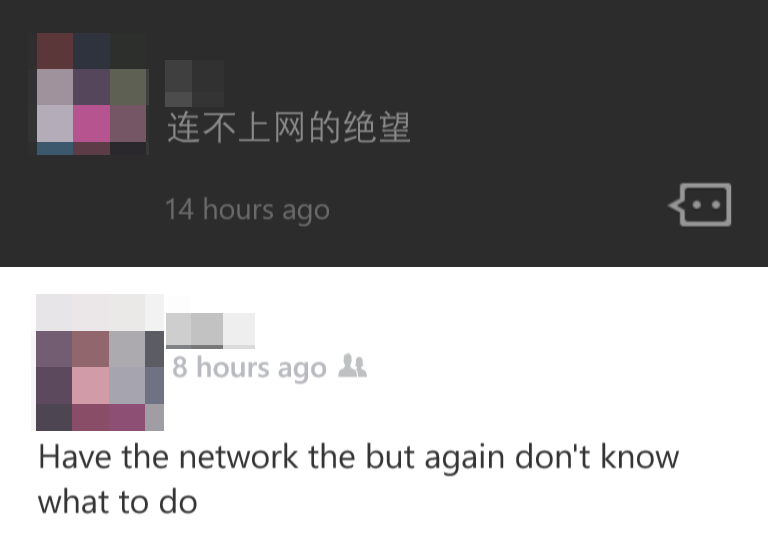
 CaMP Anthropology